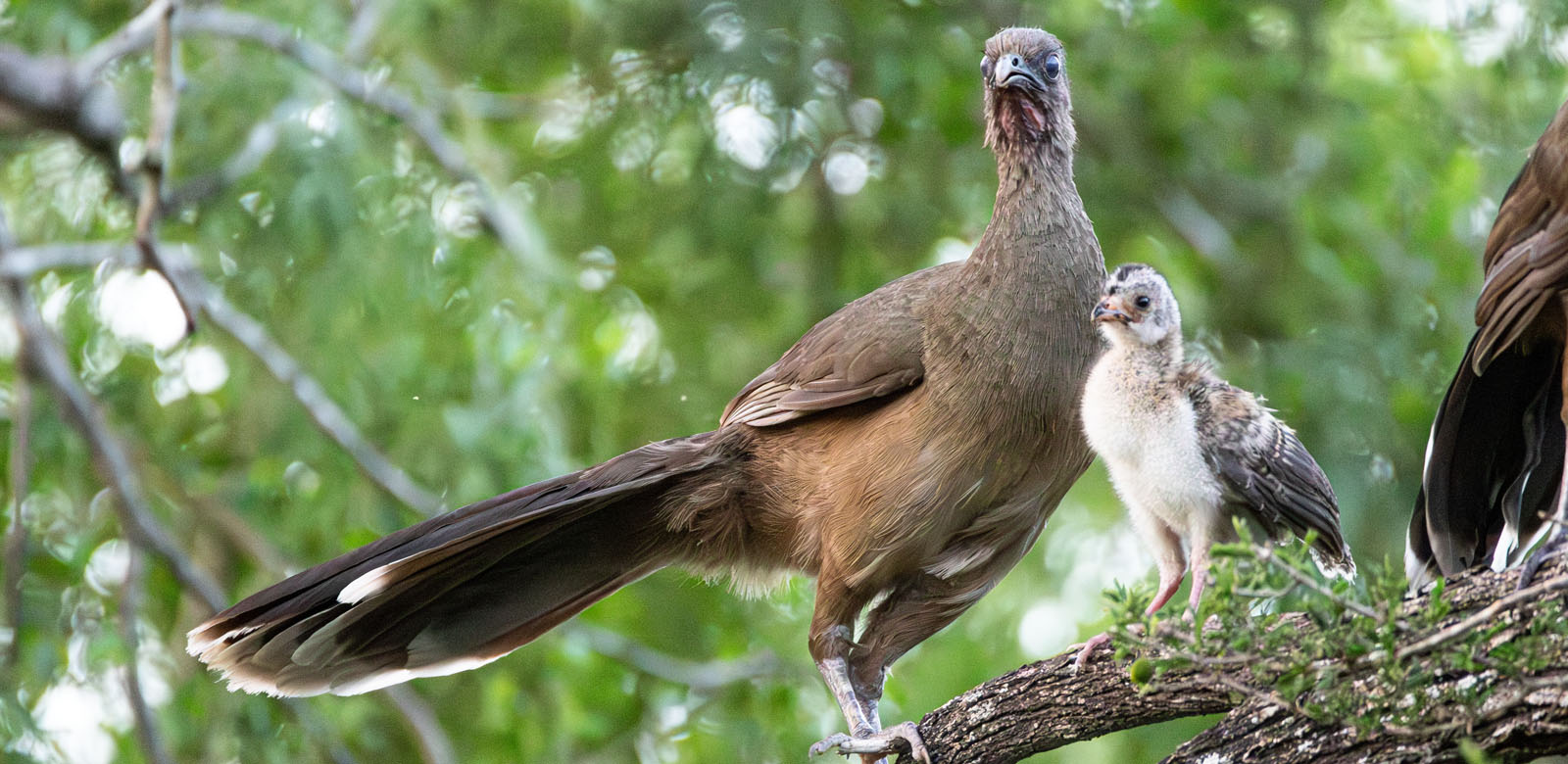
The Rio Grande Valley of South Texas is one of the premier birding destinations in North America. More than 500 bird species have been recorded across the Valley, including over 40 found nowhere else in the United States. This guide covers the top birding hotspots for RGV specialty and rare birds — with quick facts, target species, best spots within each location, and insider tips from local birders.
Why the Rio Grande Valley Is Unlike Anywhere Else
The Lower Rio Grande Valley sits at the convergence of four major biomes — the Chihuahuan Desert, the Gulf Coastal Plain, the subtropical Tamaulipan thorn scrub, and the riparian corridor of the Rio Grande. This collision of habitats creates one of the most biodiverse birding regions in the country, where North American species reach the southern edge of their range and Mexican specialties push northward into the U.S.
For birders chasing lifers, the RGV is essential. Species like the Green Jay, Altamira Oriole, Hook-billed Kite, Plain Chachalaca, and Tropical Parula exist in the U.S. only here — in this narrow corridor of subtropical habitat along the Rio Grande. Add the annual stream of rare Mexican vagrants that cross the border, and you have a destination that rewards every visit with something unexpected.
"Nowhere else in the United States can you find Green Jays, Hook-billed Kites, and Common Pauraques all within a few miles of each other."
— RGV Bird GuideThe Top Hotspots for RGV Specialty Birds
Santa Ana National Wildlife Refuge is widely considered the crown jewel of Rio Grande Valley birding. This 2,088-acre refuge protects one of the largest remaining tracts of subtropical thorn forest along the Rio Grande. Situated at the northern edge of many tropical bird ranges, the refuge attracts birders hoping to see Valley specialties such as Green Jay, Altamira Oriole, and Plain Chachalaca. More than 400 bird species have been recorded here, making it one of the most productive birding locations in Texas.
- Start at the visitor center feeders at sunrise for Green Jays and Chachalacas
- Walk the Willow Lakes loop before temperatures rise
- Scan the levee mid-morning (9–11 AM) for soaring Hook-billed Kites
- Spring migration peaks in April — 35+ warbler species possible
- Take the tram (Nov–Apr) to the far end, then walk back for best birding
Bentsen-Rio Grande Valley State Park is the World Birding Center headquarters and the most reliable single site in the RGV for seeing specialty birds. The park's feeding stations attract Green Jays, Plain Chachalacas, Altamira Orioles, Olive Sparrows, and Long-billed Thrashers daily — often at arm's length. With 356+ species recorded across riparian forest, resacas, and thorn scrub, Bentsen is the essential first stop for any RGV birding trip.
- Arrive at the feeders by 7 AM — activity peaks in the first two hours
- Walk the resaca trail slowly — scan the canopy for Rose-throated Becard and check low vegetation for rails
- Check the hawk tower during fall migration (Sept–Nov) for peak raptor movement
- The tram (available seasonally) covers the park efficiently — ride to the far end and walk back
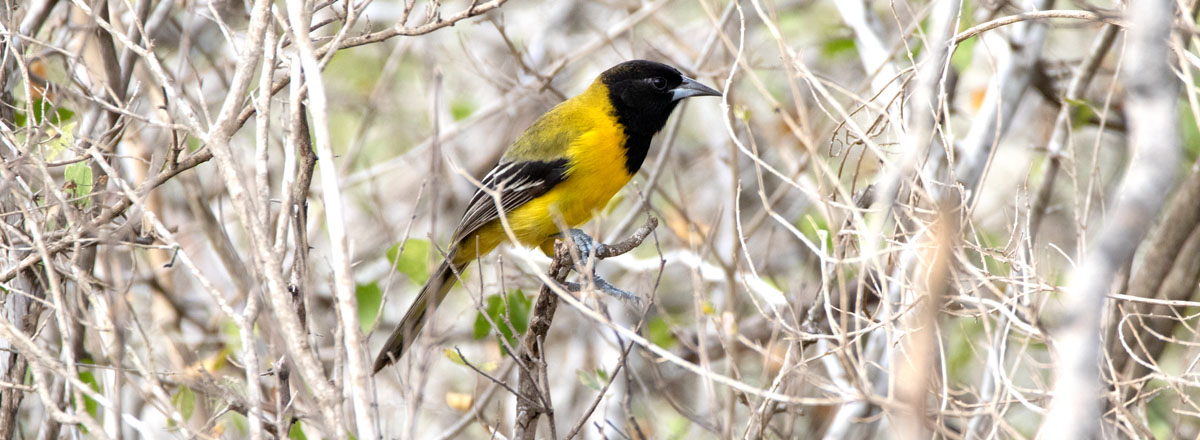
- Winter brings Audubon's Oriole to the feeders — look for the black hood and yellow body
Estero Llano Grande State Park consistently ranks among the most-visited eBird hotspots in Texas. This World Birding Center site in Weslaco offers an exceptional mix of wetland and woodland habitats — from shallow impoundments packed with waterbirds to dense thorn scrub alive with specialty species. The park's viewing blind overlooking the main pond is one of the best wildlife setups in the entire Valley, with Masked Duck, Least Grebe, and rare waders appearing at close range. More than 320 species have been recorded here.
- Check the viewing blind first — it's the most productive spot in the park
- Low water level brings shorebirds; high water brings diving ducks and grebes
- Walk the full lake loop early before temperatures rise
- Listen for Common Pauraque at dawn along the thorn scrub trails
- Winter brings large numbers of ducks and occasional rarities to the main impoundment
Laguna Atascosa National Wildlife Refuge is the largest protected area in the Rio Grande Valley at 97,000 acres, and the premier destination for coastal specialty birds. The refuge's diverse habitats — thorn scrub, freshwater wetlands, coastal prairies, and mudflats — support over 420 recorded species. This is the most reliable site in the RGV for Aplomado Falcon, successfully reintroduced here and now a breeding resident of the coastal prairies.
- Drive the Lakeside Loop at sunrise for the best raptor activity on the coastal prairie
- Scan fence posts and power lines for Aplomado Falcon — they hunt actively in early morning
- Drive the loop again at dusk for owls and Common Pauraque on the road
- Winter brings large flocks of waterfowl to the lake — scan for rare diving ducks
- Plan a full day here — the refuge is large and rewards slow, thorough birding
Before visiting any hotspot, check the RGV Rare Bird Chaser for recent sightings. Our live eBird feed shows what's been reported at each location in the last 7 days — so you know exactly what to look for before you arrive.
Edinburg Scenic Wetlands World Birding Center is a free urban gem that punches well above its weight. Consistently one of the most-visited eBird hotspots in Texas, this Hidalgo County park combines productive wetland impoundments with thorn scrub woodland — delivering a reliable mix of specialty waterbirds and woodland species. In winter it becomes the most dependable site in the RGV for Crimson-collared Grosbeak, an irruptive Mexican visitor that appears when conditions push birds north of the border.
- Open year-round — one of the most productive birding stops in the Valley
- Check the back ponds carefully for Masked Duck lurking in the vegetation
- Winter mornings before 9 AM are best for Crimson-collared Grosbeak at the feeders
- Combine with a visit to nearby McAllen Nature Center for a productive half-day circuit
- Water level determines what's present — low water exposes mudflats for shorebirds
Planning Your Visit
The RGV rewards year-round visits, but each season delivers something different. Understanding the seasonal rhythm — and a few practical logistics — will dramatically improve your results.
| Season | Highlights | What to Expect |
|---|---|---|
| Winter Nov – Feb |
Peak diversity | Resident specialties + wintering raptors, waterfowl & sparrows. Best window for Mexican vagrants and Crimson-collared Grosbeak. |
| Spring Mar – May |
Migration wave | Explosive warbler and flycatcher movement. 35+ warbler species possible in a single day at Santa Ana during peak weeks in April. |
| Summer Jun – Aug |
Breeding specialties | Hot and humid, but productive. Resident specialties are at their most vocal. Excellent for night birding — Common Pauraque, Elf Owl, and Paraque. |
| Fall Sep – Nov |
Southbound migrants | Hawk migration peaks at Bentsen's hawk tower. Early returning winter residents arrive through October. Good shorebird diversity at wetland sites. |
Best Time of Day
Sunrise to 10 AM is the most productive window across all RGV hotspots. Temperatures are cooler, birds are most vocal, feeders are busiest, and raptors haven't yet gained altitude on thermals. Plan to be at your first hotspot at first light — 6:30–7:00 AM in winter, 6:00 AM in summer.
RGV summers are intense — temperatures routinely exceed 100°F by mid-morning. Bring at least 32 oz of water per person, wear a wide-brim hat, and plan to finish active trail birding by 10 AM. Afternoons are best saved for driving auto loops, shaded viewing blinds, or air-conditioned visitor centers.
Suggested Itineraries
One day in the Valley: Start at Bentsen SP at dawn for woodland specialties at the feeders, move to Estero Llano Grande mid-morning for waterbirds at the viewing blind, then finish at Edinburg Scenic Wetlands in the afternoon for wetland and thorn scrub species. This circuit reliably produces 15–20 RGV specialty birds in a single day.
Three days: Add Santa Ana National Wildlife Refuge (half day — focus on the levee trail 9–11 AM for Hook-billed Kite) and Laguna Atascosa NWR (full day for coastal raptors, Aplomado Falcon, and the Lakeside Drive auto loop). In spring or fall, add South Padre Island for migrants, shorebirds, and pelagic species.
Five days: Extend west to Salineño Wildlife Preserve for Brown Jay, Red-billed Pigeon, and Ringed Kingfisher along the Rio Grande — one of the most atmospheric birding spots in the entire Valley. Add Sabal Palm Sanctuary in Brownsville for Buff-bellied Hummingbird and Altamira Oriole, and Quinta Mazatlán in McAllen for an accessible urban woodland experience.
Ready to Find Your Target Birds?
Check live eBird data for any RGV specialty species — real-time sightings, hotspot rankings, and seasonal charts.