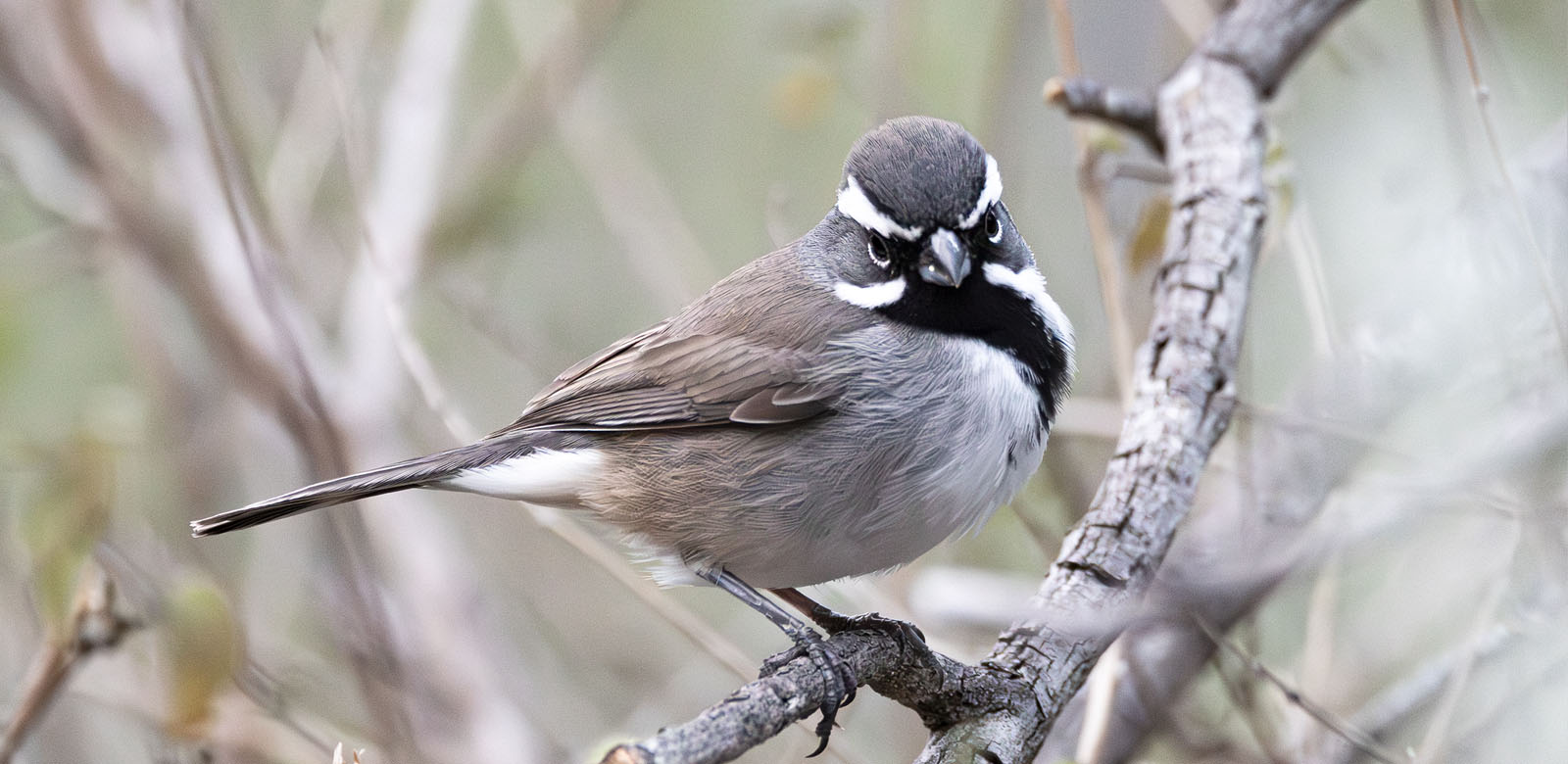
Most birders heading to the Rio Grande Valley make a beeline for Bentsen SP or Santa Ana NWR — and for good reason. But an hour upriver, Falcon State Park offers something the mid-Valley hotspots cannot: open desert scrub, rocky hillsides, Chihuahuan Desert cacti, and a completely different cast of birds.
Perched on the northern shore of Falcon Lake in Starr County, Falcon SP sits where the subtropical thorn forest of the lower Valley gives way to the drier, more open Chihuahuan Desert. That habitat shift produces a bird list that surprises many first-time visitors — quail running the scrub, raptors quartering over open country, colorful desert specialists working the cactus and brush. For birders who have covered the mid-Valley circuit, this park adds a meaningful and rewarding new dimension to any RGV trip.
The Habitat — What Makes Falcon SP Different
The rolling hills of Falcon SP are dominated by Honey Mesquite and Huisache — the latter announcing itself with fragrant yellow globe-flowers in early spring — alongside Texas Ebony, the elegant Anacahuite with its white trumpet flowers, and the rain-triggered Cenizo, which erupts in purple blooms after summer storms. The understory is dense with thorny specialists: Blackbrush Acacia, Lotebush, and the almost leafless Allthorn, its green photosynthetic thorns doing the work of leaves.
Ground level is defined by cacti — Prickly Pear covering the hillsides in broad pads, the spindly red-berried Tasajillo catching the light, and tall Spanish Dagger yuccas punctuating the skyline with clusters of white flowers. This is the plant community that shapes the bird life here — dense enough to shelter quail and sparrows, open enough for soaring raptors, and dry enough to make every water feature a magnet.
Three Places to Bird — Three Different Lists
Bird Blind & Water Drip Features
The park's bird blind with feeders and water drip is the most productive single spot at Falcon SP. In arid country, reliable water is a magnet — patient birding from the blind for 30–45 minutes will often produce more species than a full morning of walking the scrub. The 2025 season brought a notable uptick in Scaled Quail visits here, one of the genuine highlights for visiting birders. Arrive at sunrise and minimize movement.
Butterfly Garden — Feeders & Water Drip
The park's butterfly garden with its feeders and water feature attracts a different set of birds — including some you wouldn't expect to find in a desert park. Orioles and woodpeckers work the feeders alongside the doves that carpet the ground beneath them.
Park Loops, Roads & Lake Shore
Driving the park loops slowly with frequent stops is the most efficient way to cover the open country species. The lake shore adds waterbirds and shorebirds to the mix — scan the water's edge carefully for herons, ducks, and shorebirds depending on water level and season.
The lake shore at Falcon SP is worth a dedicated slow scan, especially in winter and during migration. Water level determines what's accessible — lower water exposes mudflats for shorebirds, while higher water concentrates diving ducks along the edges. Early morning light comes from the east, so position yourself with the sun at your back when scanning the lake.
Planning Your Visit
Falcon SP is located in Falcon Heights, Texas, approximately 75 miles west of McAllen and about 25 miles south of Roma on US-83. The drive takes roughly 90 minutes from the mid-Valley hotspots, making it a natural addition to a multi-day RGV birding trip — or a worthwhile standalone day if you're based in the upper Valley or coming from Laredo.
The park offers camping, which opens up the possibility of dawn birding before day visitors arrive — generally the most productive window at any desert park. Entry requires a Texas State Parks fee or annual pass. The roads through the park and along the lake shore are the most productive birding routes; a slow drive with frequent stops covers the habitat efficiently.
Falcon SP's desert habitat means temperatures can exceed 105°F by mid-morning in summer. Plan active birding for the first two hours after sunrise. Bring significantly more water than you think you need — there are limited services in the area. A wide-brim hat and sun protection are essential from April through October.
Find These Birds Before You Go
Check live eBird sightings at Falcon State Park and across the upper Valley before your visit.